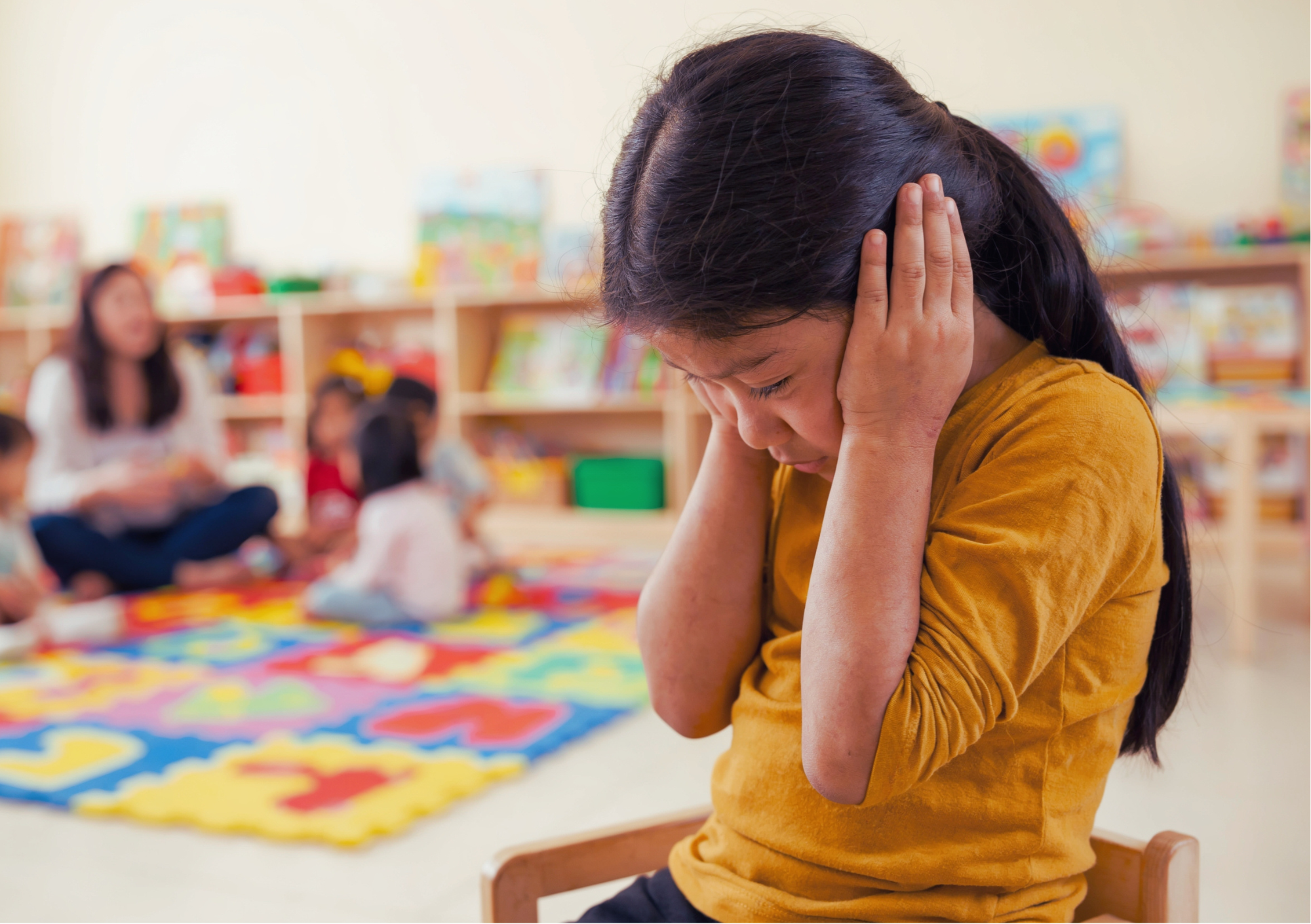
Anxiety is not a character flaw, a weakness, or a sign that something has gone wrong with your child. It is a completely normal, evolutionarily ancient response — the brain detecting a threat and preparing the body to respond. The challenge is that in modern life, that same alarm system can trigger in response to a maths test, a new social situation, or a worry about the future. Understanding this is the foundation of everything else.
Normalising Anxiety: The Brain's Alarm System
A wonderfully effective way to talk to children about anxiety is to use the metaphor of a smoke alarm. A smoke alarm is a good thing — it protects you. But sometimes it goes off when there is no real fire, just toast burning in the kitchen. When anxiety triggers, the brain is being a good alarm — it is just being a bit over-sensitive. This normalises the physical experience of anxiety without dismissing it, and gives children language to describe what is happening without feeling as though something is wrong with them.
For younger children, you can introduce the "worry monster" — an external character that whispers scary thoughts. Externalising the anxiety like this ("it sounds like your worry monster is being very loud today") separates the child from the worry, making it feel less overwhelming and more manageable.
Age-Appropriate Explanations
For children aged 4 to 7, keep it simple and body-focused: "Sometimes our body gets nervous and our tummy feels funny, or our heart beats fast. That is just your body trying to keep you safe. Let's take some slow breaths together." For children aged 8 to 12, you can add more detail about the brain: "There is a part of your brain called the amygdala — it is like a guard dog. Sometimes it barks when it doesn't need to. Our job is to teach it that we are OK." Teenagers can handle a fuller explanation of the fight-flight-freeze response, and often appreciate being given the science.
Conversation Starters
Timing matters. A child in the grip of acute anxiety cannot access the rational part of their brain — that is precisely what anxiety does. Save conversations about understanding anxiety for calm moments. You might try: "I noticed you seemed really worried before school today. Do you want to tell me about what was going on for you?" Or: "I sometimes feel anxious too — like when I have a big meeting. What does your worry feel like in your body?"
Sharing your own mild anxieties (appropriately, not in a way that burdens them) normalises anxiety as a human experience rather than a problem unique to them.
What to Avoid
Two common parental responses, both well-intentioned, can inadvertently make anxiety worse over time. The first is dismissal: "There is nothing to worry about!" This communicates that the child's inner experience is wrong or invalid. The second is excessive reassurance: repeatedly telling a child "it will be fine, I promise" can become a reassurance cycle that actually maintains anxiety, because the child learns to rely on reassurance rather than developing their own capacity to tolerate uncertainty.
Instead, validate and gently encourage: "I can see you are really worried about this. It is hard. And I also believe you can handle it. What could you do to help yourself feel a bit braver?"
Breathing Techniques to Share Together
Slow, deep breathing is one of the most evidence-backed tools for reducing anxiety in the moment — it activates the parasympathetic nervous system and directly counters the physical symptoms of panic. Practise these together at calm times, so they become familiar tools when anxiety arrives. Try "belly breathing" — one hand on the tummy, breathing in slowly for 4 counts and feeling the tummy rise, out for 6. Or "box breathing" — breathe in for 4, hold for 4, out for 4, hold for 4. Make it a game, not a lesson.
The Difference Between Worry and Anxiety Disorder
All children worry — that is normal and healthy. An anxiety disorder is diagnosed when anxiety is persistent, disproportionate, and significantly interfering with daily life: refusing school, avoiding social situations, unable to separate from parents, or experiencing frequent panic attacks. If your child's anxiety is at this level, professional support is the right next step, and reaching out is a sign of strength, not failure.
🍵 Ready to get support?
Tea of Therapy matches children with specialist counsellors within 48 hours.
Get support for your child →