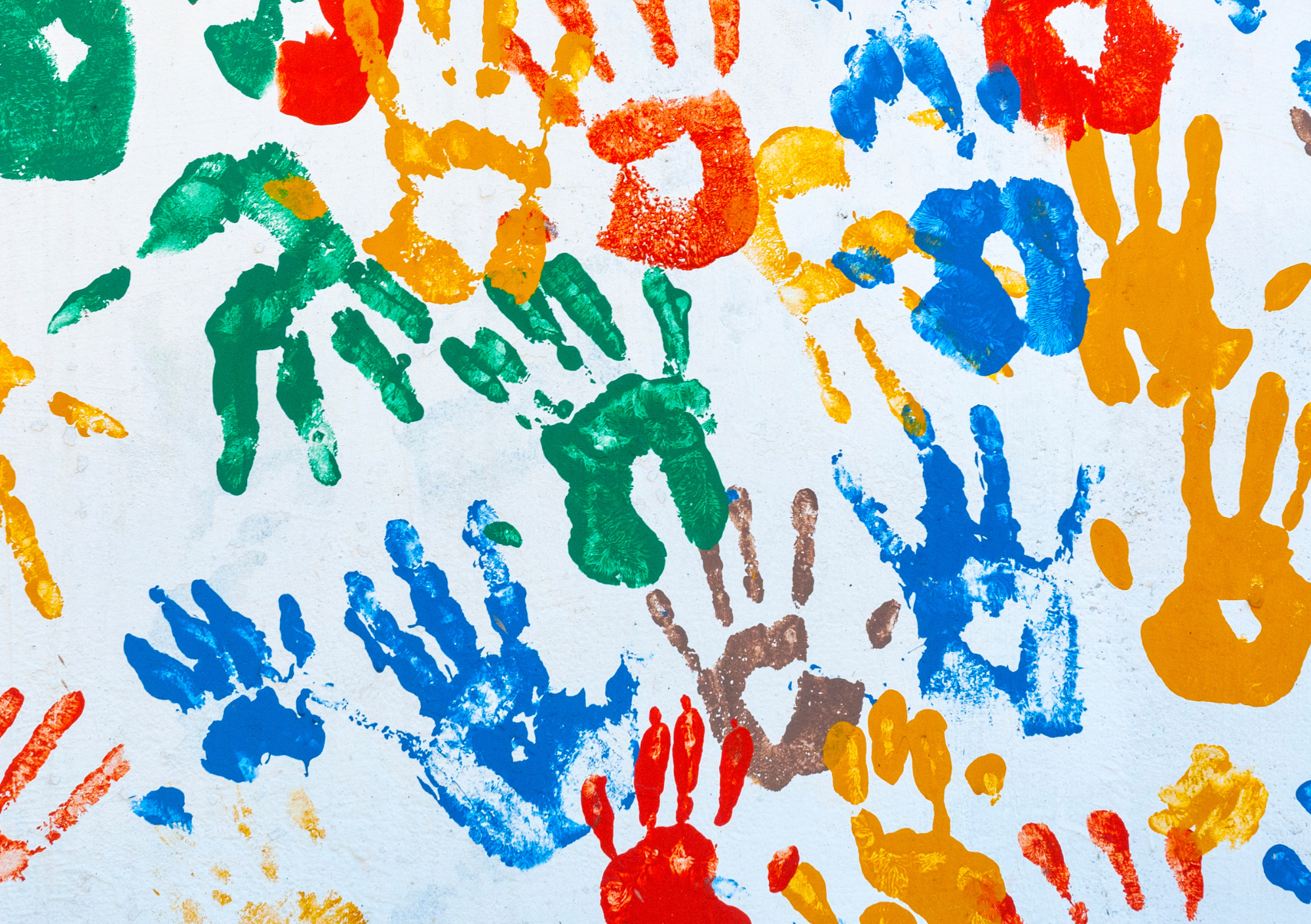
Ask a five-year-old how they are feeling and they will often show you rather than tell you. They will draw a storm cloud, build a tower and knock it down, or throw themselves into a dance that somehow says everything words cannot. This is not just charming — it is deeply intelligent. Children are wired to communicate and process through the body and through making things. Creativity is not a distraction from emotional work; for many young people, it is the emotional work.
When Words Are Not Enough
The part of the brain responsible for language and the part responsible for storing emotional memory are largely separate. This is why trauma, grief and complex feelings are so often difficult to articulate — they live in a pre-verbal place, below the surface of language. Art, movement and play access these experiences through a different door. Drawing a picture of "the angry feeling" externalises something that might otherwise stay trapped inside, giving a child distance from it and the chance to look at it safely.
This is the foundation of art therapy — a recognised, evidence-based clinical approach in which trained therapists use creative materials as the medium for psychological and emotional exploration. But you do not need a therapist to unlock the benefits of creative expression. Much of the healing happens simply in the doing.
Art Therapy Principles in Practice
Art therapy is not about producing beautiful work. It is about the process — the act of choosing colours, the pressure applied to a pen, the decision to crumple a piece of paper and start again. A skilled art therapist pays attention to all of it, and through gentle conversation, helps the child connect what they have made to what they feel.
In a therapeutic setting, children often find it easier to talk about a drawing than to talk about themselves directly. "Tell me about this person in your picture" opens up conversations that "how are you feeling?" never could. The creative work gives both child and therapist something to look at together — a kind of third thing that makes the emotional material feel less overwhelming.
Music, Movement and the Body
It is not only visual art that helps. Music has a profound effect on emotional regulation — we all know the experience of a song that names exactly how we feel, or a rhythm that physically shifts our mood. For children, making music — banging a drum, singing freely, dancing without self-consciousness — releases tension, regulates the nervous system, and builds a sense of mastery and joy.
Movement is similarly powerful. Physical play — running, climbing, spinning — is not just good for bodies. It discharges stress hormones, regulates the sensory system, and gives children a felt sense of capability and control. When a child has been through something difficult, restoring their sense of agency in the body is often a crucial part of recovery.
The Science Behind Play Therapy
Play therapy — in which a trained therapist uses a specially equipped playroom to help children express and process their inner world — is one of the most rigorously researched interventions for childhood emotional difficulties. Meta-analyses consistently show significant improvements in anxiety, behavioural difficulties, trauma symptoms and social functioning. The play is not incidental; it is the treatment.
Children in play therapy are not being asked to explain themselves. They are being given permission to show themselves, at their own pace, in their own language. The therapist's role is to bear witness, to reflect, and to gently expand what the child is able to feel and understand about their own experience.
What Parents Can Do at Home
You do not need to engineer therapeutic experiences to support your child's emotional wellbeing through creativity. The most powerful things are simple: keep art materials accessible and pressure-free. Make space for mess. Resist the urge to ask "what is that?" about a drawing — instead try "tell me about it." Put on music and dance together. Build things that can be knocked down. Make stories. Follow your child's lead in play without directing or improving it.
Above all, create an atmosphere where making things is joyful rather than judged. When creativity is safe and playful, children will use it — naturally, instinctively — to do some of their deepest emotional work.
🍵 Ready to get support?
Tea of Therapy matches children with specialist counsellors within 48 hours.
Get support for your child →